Introduction – Cement Block Making Machine Manufacturer in India
India's accelerating urbanization has created immense demand for high-quality, cost-effective building materials. This surge is directly driving the need for reliable Cement Block Making Machine Manufacturer in India. These specialised machines are the backbone of modern construction, converting raw materials like cement, sand, stone dust, and industrial waste (like fly ash) into diverse products, including solid blocks, hollow blocks, and paver blocks. Leading Indian manufacturers, particularly in hubs like Ahmedabad and Coimbatore, offer a range of machines—from semi-automatic hydraulic models to fully automatic, high-capacity plants—designed for efficiency, material conservation, and superior product strength that meets BIS standards.
Working Principle & Process Flow
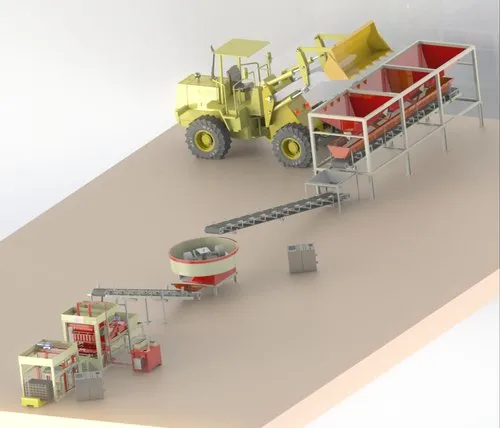
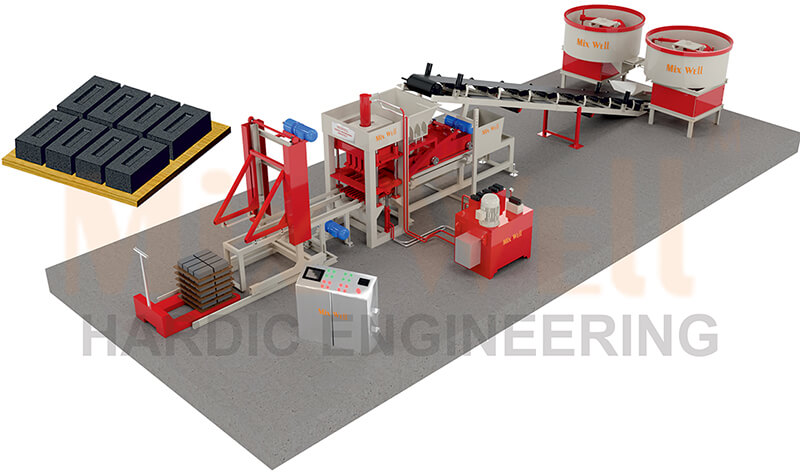
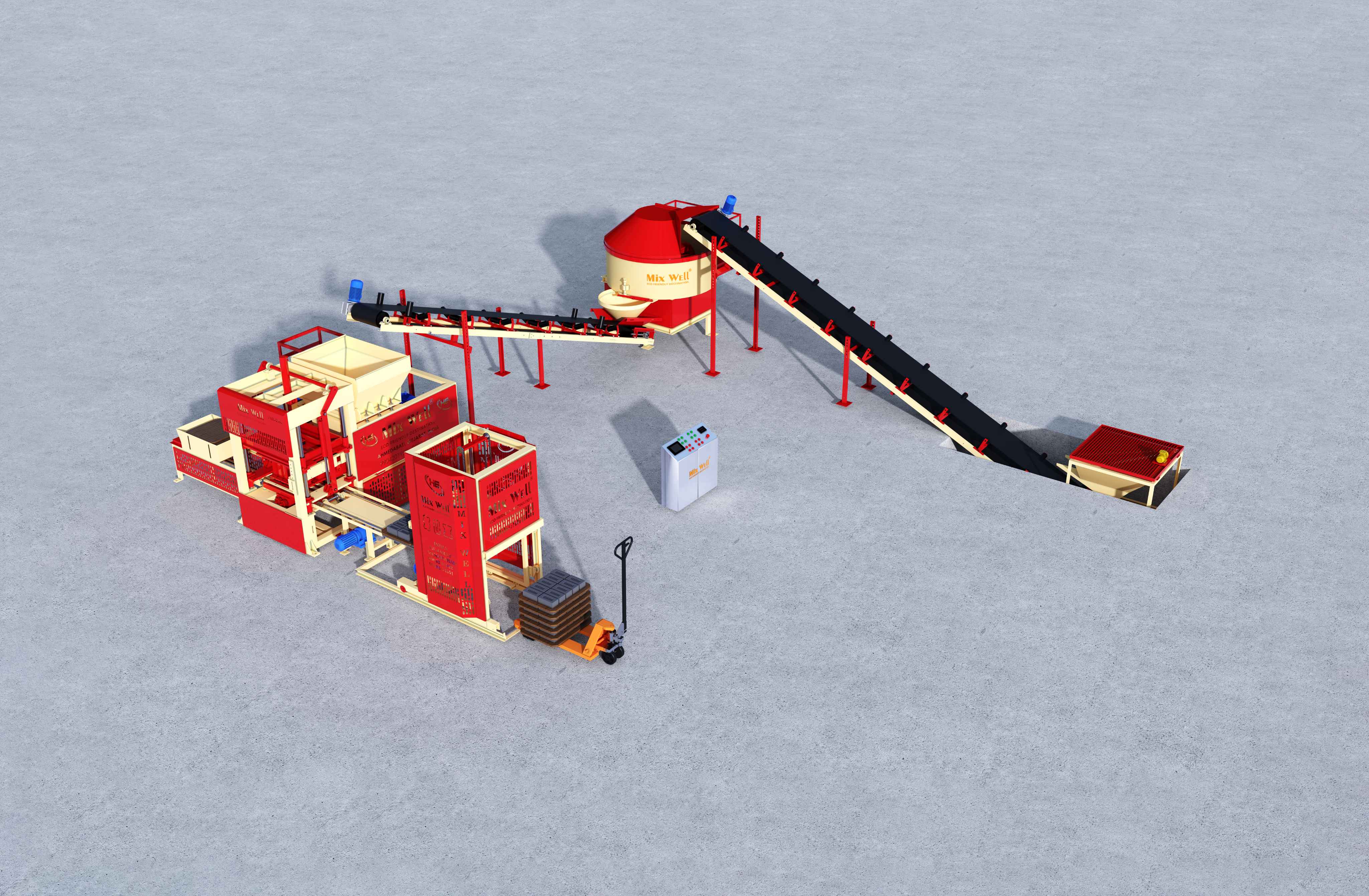
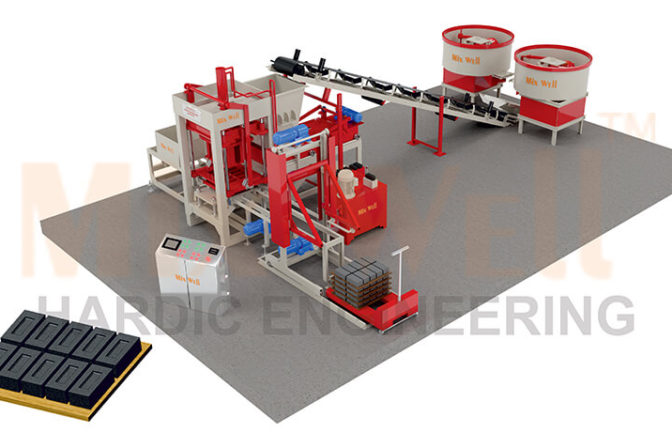
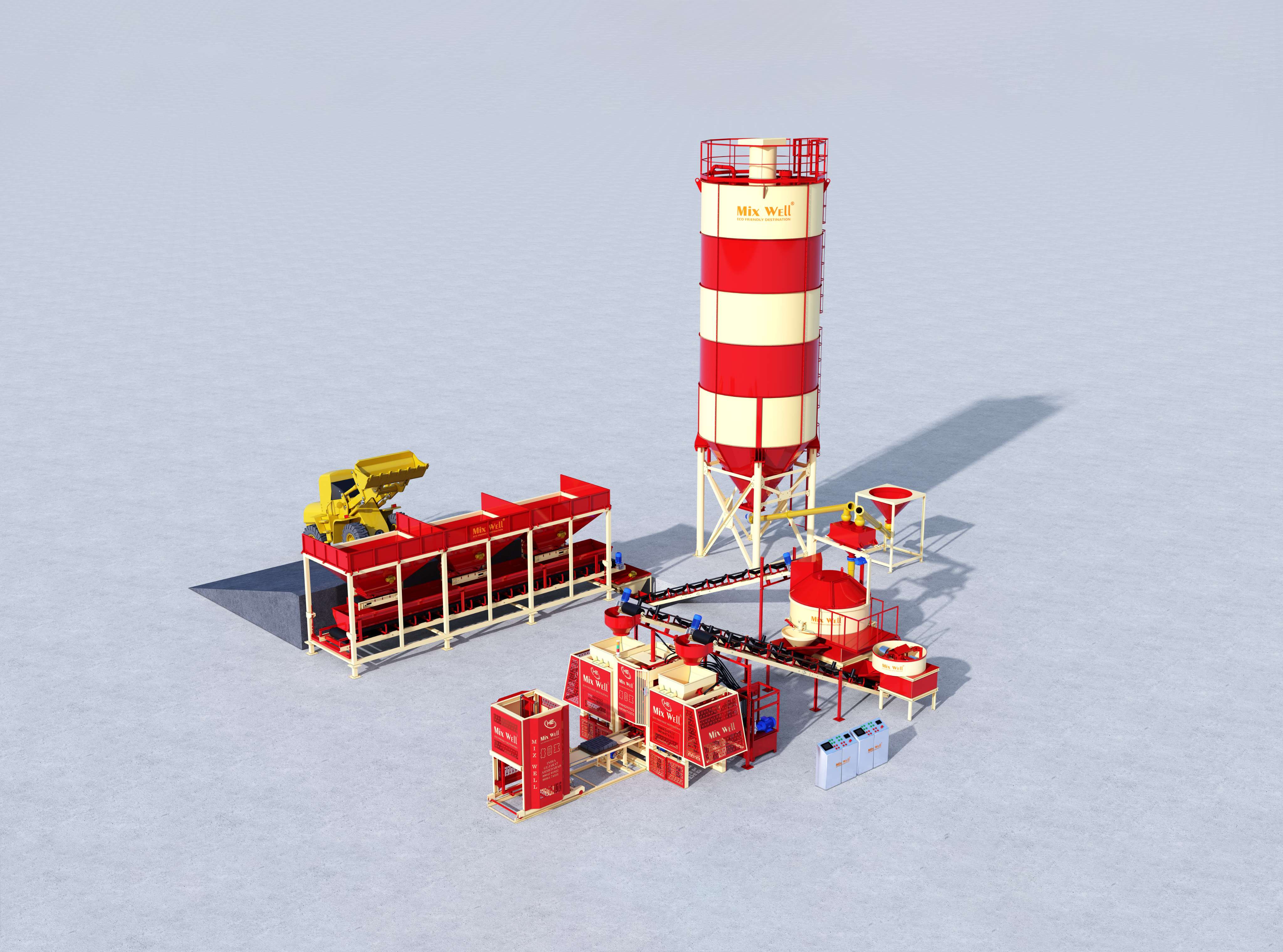
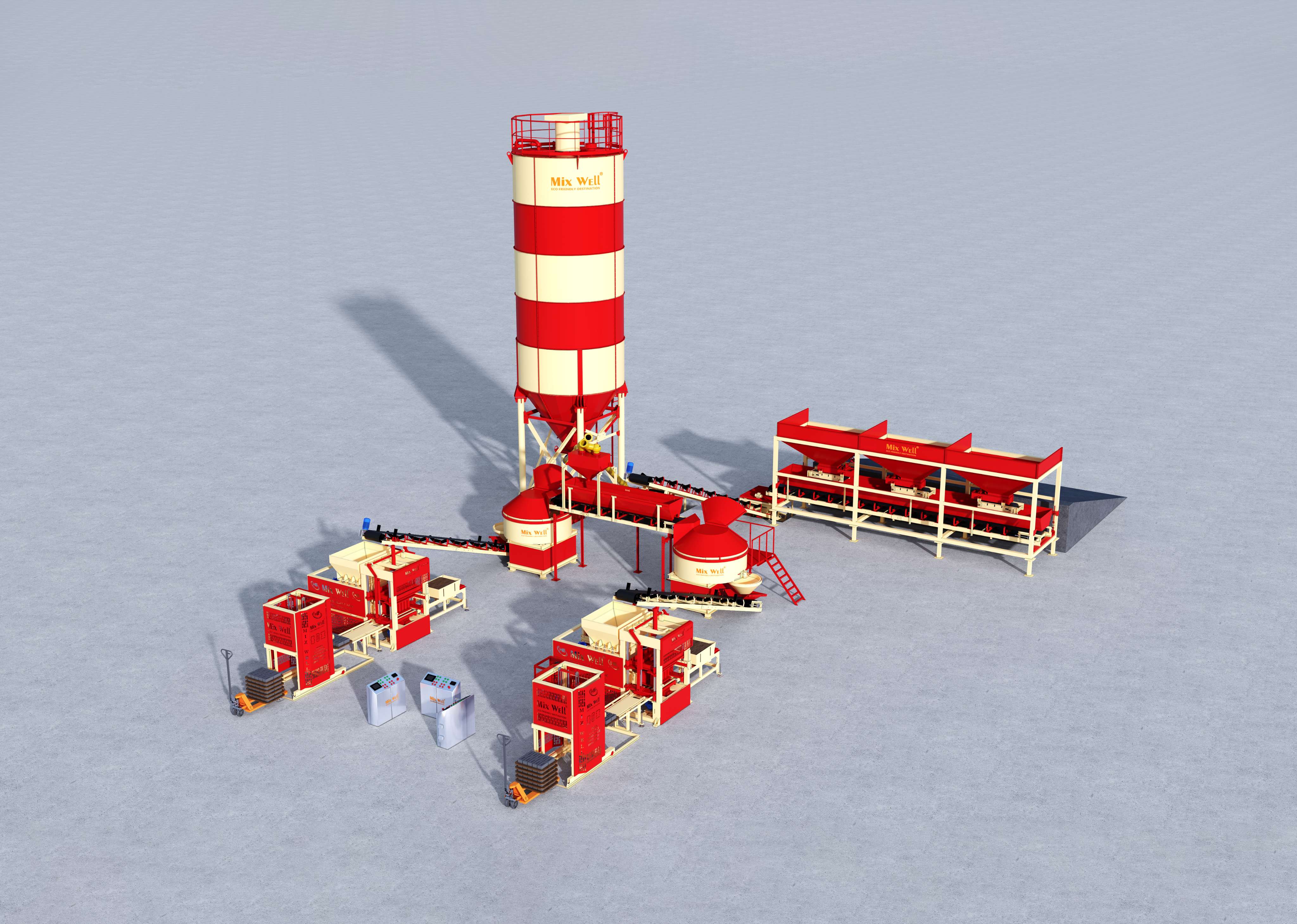
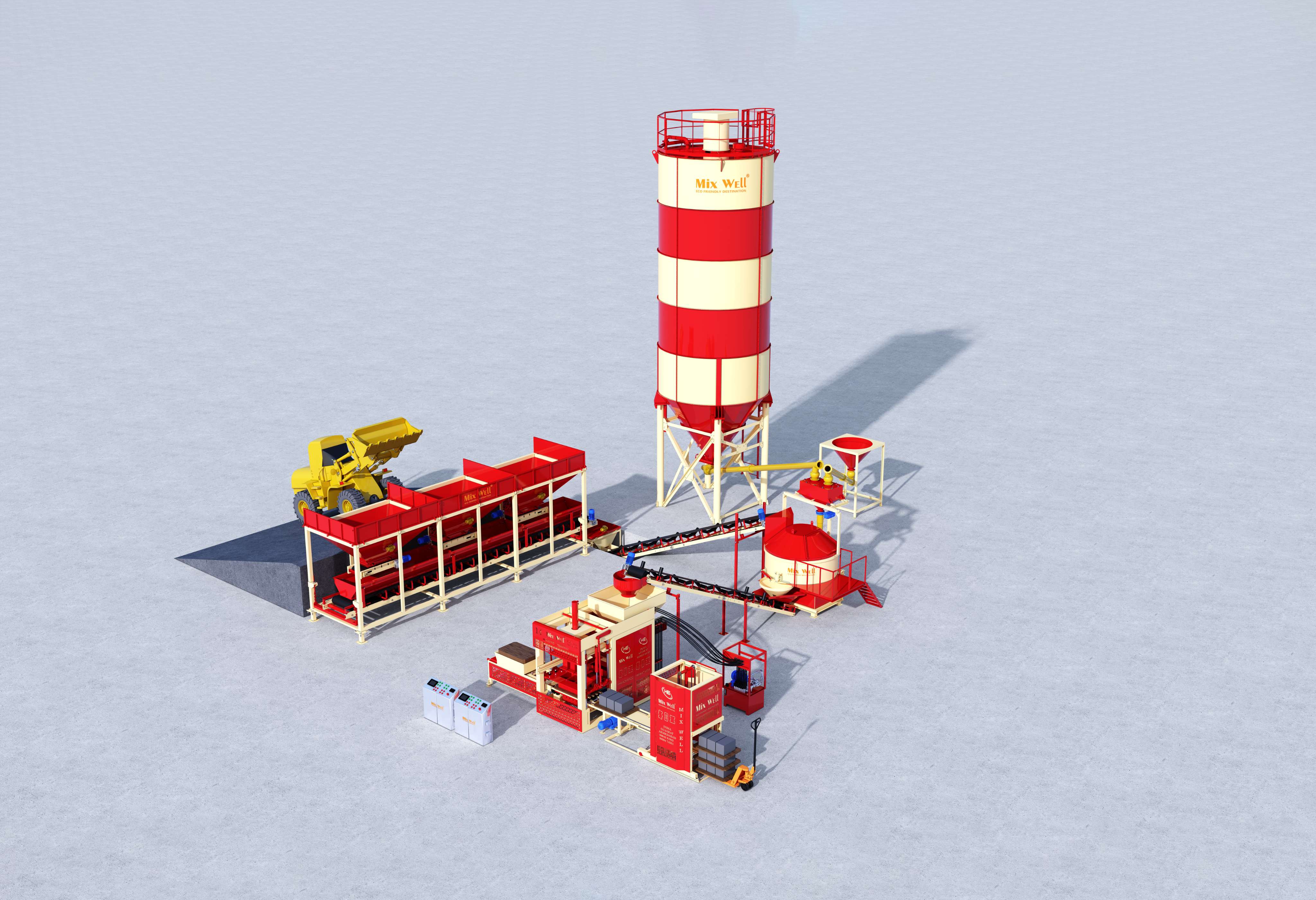
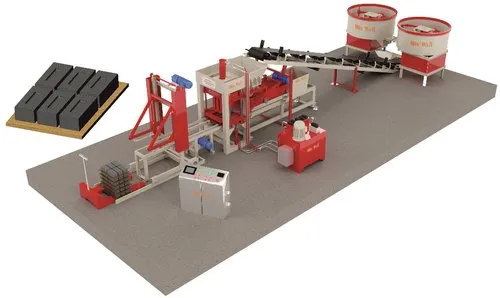
The operation of a modern cement block making machine is based on a precision-controlled process of vibration and high-pressure compaction, which creates blocks far denser and stronger than traditional manual methods. The process begins with Raw Material Mixing where aggregates (like sand, stone dust, and fly ash), cement, and water are combined in exact ratios in a mixer. This ensures a homogeneous concrete mix, which is crucial for the final product's quality.
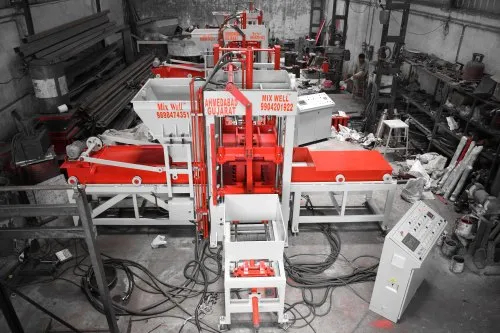
Following mixing, the material is automatically transferred via a conveyor belt and fed into a Mould. The core principle then involves a dual action: a high-frequency Vibration System removes air pockets and evenly settles the mix inside the mould, while a powerful Hydraulic System applies significant compression. This high pressure, often exceeding 100 tons in larger machines, ensures maximum density and strength. Once compacted, the machine De-moulds the wet block onto a pallet. The finished blocks are then transported to a curing area—a "non-burning" process that eliminates the need for fire, making it energy-efficient and environmentally friendly.
Applications & Benefits
Applications
Production of Hollow Blocks for non-load-bearing and thermal insulation walls.
Manufacturing of Solid Blocks and Load-Bearing Bricks for foundations and structural walls.
Creation of Paver Blocks/Interlocking Pavers for roads, sidewalks, and commercial flooring.
Casting of specialized precast products like Kerbstones and segmental retaining wall blocks.
Utilisation in large-scale Residential, Commercial, and Industrial construction projects.
Benefits
High Consistency & Strength: Hydraulic compression and vibration produce blocks with uniform density and superior load-bearing capacity.
Low Cost & High ROI: Automation reduces labour costs, energy consumption, and per-unit block cost, accelerating return on investment.
Eco-Friendly Production: Ability to use fly ash and industrial waste as raw materials, promoting sustainable construction.
Versatility: Easy interchange of moulds allows a single machine to produce a wide variety of block types and sizes.
Faster Construction Speed: High production output ensures a steady supply of blocks, preventing delays on large projects.
Key Features — What to Check Before You Buy
Automation Grade: Choose between Manual, Semi-Automatic (best for medium scale), or Fully Automatic (best for large scale) based on your production volume.
Vibration Technology: Look for patented or advanced synchronous vibration systems that ensure uniform compaction and density across all blocks.
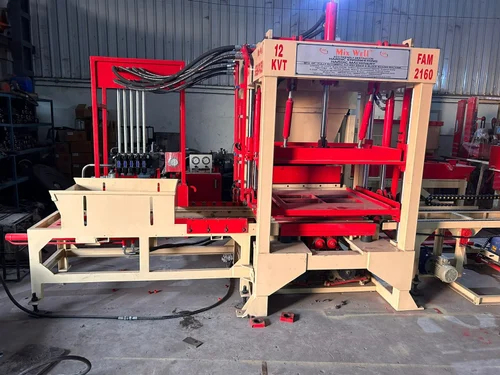
Hydraulic System: Verify the Tonnage/Pressure capacity and components (e.g., Yuken valves) as this directly dictates the final block strength and durability.
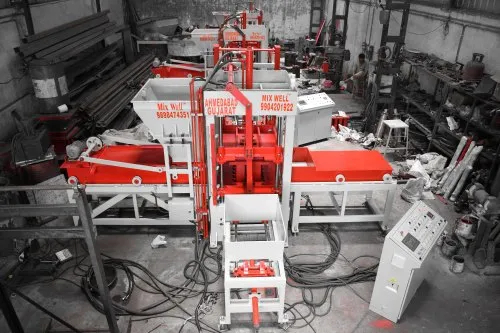
PLC Control & HMI: Fully automatic models should have a Programmable Logic Controller (PLC) with a user-friendly Human-Machine Interface for automated, precise operation.
Mould Interchangeability: The machine must support quick and easy mould changes to allow production of hollow blocks, solid blocks, and pavers.
Production Capacity: Match the machine's bricks/blocks per hour/shift capacity to your target output and project size to ensure efficiency.
Robust Construction: The frame and components must be built with heavy-duty solid steel to withstand continuous, high-intensity industrial operation for long-term reliability.
Where to Buy — Trusted Suppliers
India has established manufacturers known for engineering high-quality, durable block-making machines. Reputable manufacturers based in industrial centres like Gujarat (Ahmedabad) and Tamil Nadu (Coimbatore) are primary sourcing locations. When selecting a supplier, look for those who offer a complete turnkey solution—from providing the machine itself (Automatic, Semi-Automatic, or Movable) to offering after-sales support, spare parts, and commissioning services. Established names like Mix Wellbrick Machine, Columbia Machine Engineering, Revomac, and BharatMach are known for their commitment to quality, adherence to BIS standards, and providing robust machinery that guarantees a high return on investment for construction projects across India.
Maintenance & Safety Tips
ChecklistMix Wellbrick Machine
Monthly / Quarterly
Inspect and top up the hydraulic oil level and check for any leaks in the system.
Check all electrical connections, sensors, and the PLC panel for dust and proper functionality.
Thoroughly clean the mould and vibrating table area to remove concrete residue buildup.
Operating Best Practices
Always use the correct, pre-measured ratio of cement, aggregates, and water for optimal block quality.
Ensure all safety guards and emergency stop buttons are accessible and fully functional before operation.
Adhere strictly to the manufacturer's specified cycle time to prevent overheating and ensure block curing integrity.
FAQs
Q1
What is the difference between a semi-automatic and fully automatic block making machine?
A fully automatic machine automates the entire process, including material batching, mixing, moulding, compression, and palletizing, using PLC control with minimal human intervention. A semi-automatic machine typically automates the core steps (moulding and compression) but requires manual labour for material feeding, pallet handling, and stacking.
Q2
What materials are used to make cement blocks?
The primary raw materials are cement (OPC 53 grade is common), aggregates like river sand, stone dust, or stone chips, and water. Crucially, industrial by-products like fly ash and mining slag are also used, making the process environmentally friendly and cost-effective.
Q3
What types of blocks can these machines produce?
Modern block making machines are highly versatile due to interchangeable moulds. They can produce hollow blocks, solid blocks, fly ash bricks, concrete paver blocks (interlocking tiles), and specialty items like kerbstones and segmental retaining wall blocks.
Q4
What is the minimum land area required for a block making plant?
The required area varies significantly with the machine's capacity. A small to medium-scale semi-automatic plant might require around 10,000 to 12,000 sq. ft., while a large-scale fully automatic plant with storage/curing space might need 18,000 to 20,000 sq. ft. or more.
Q5
How does high-pressure hydraulic compaction benefit the block quality?
High-pressure compaction, in tandem with vibration, ensures a much tighter, denser grain structure in the block. This results in superior compressive strength, minimal water absorption, and high dimensional accuracy, making the blocks extremely durable for structural use.
Get in Touch
Your Partner for High-Quality Block Making Machinery